What start2grow taught me
There are moments in the startup journey when things suddenly feel real. Not because everything is finished, but because you are forced to take a hard look at your own idea. That is exactly what start2grow did for me: business plan deadlines, coaching conversations, speed-dating sessions, and the simple but uncomfortable question of whether RackFlow is actually strong enough to become a real business.
The short answer is yes. Not because everything is perfect. But because the process made the idea sharper, more honest, and much more concrete.
For me, that was the real value of the competition.
Feedback that actually helps
One of the most valuable parts of start2grow was the direct feedback from coaches during the speed-dating sessions. As founders, it is easy to become emotionally attached to our own assumptions. We start believing that if we explain the idea well enough, everyone will see the potential immediately.
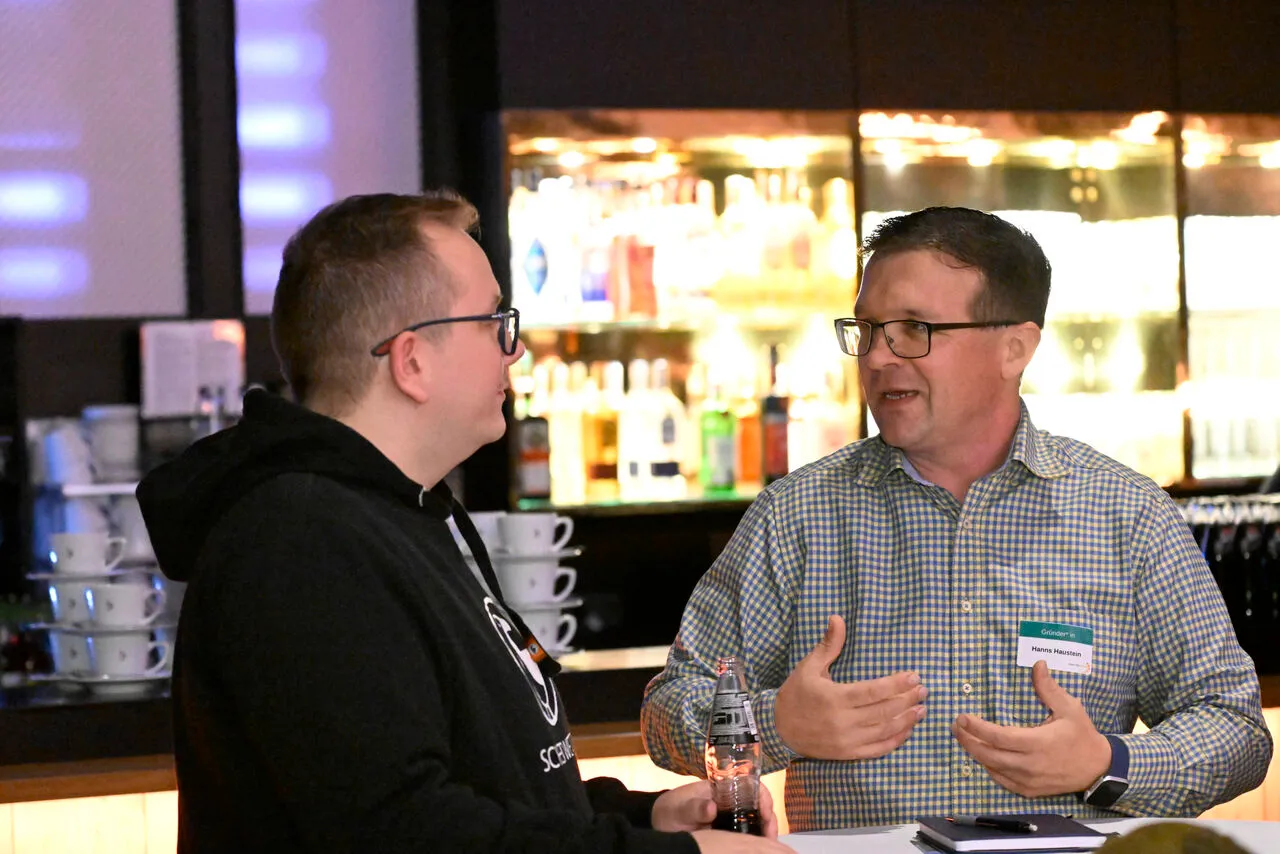
Photo: Wirtschaftsförderung Dortmund / Dipl. Fotodesigner Andreas Buck
The conversations pushed me to answer better questions: What exactly is the problem? Who feels it most strongly? Why should someone change their current process? What is the real buying trigger? Those questions are uncomfortable, but they are also useful. They force clarity, and clarity is one of the most important assets in an early-stage startup.
I also valued the exchange with other founders. There is something powerful about being in a room with people who are all building something, all dealing with uncertainty, and all trying to turn an idea into reality. It makes the journey feel less isolated and much more grounded.
Why the business plan mattered The business plan was not just a formal requirement for the competition. For me, it became a tool for pressure-testing RackFlow.
Once you put the concept into a structured format, assumptions become visible. The market has to make sense. The target group has to be specific. The pricing needs to work. The risk factors need to be realistic. And the story has to hold together not only technically, but commercially. That process was incredibly valuable.
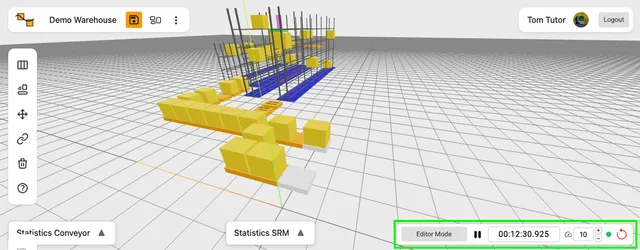
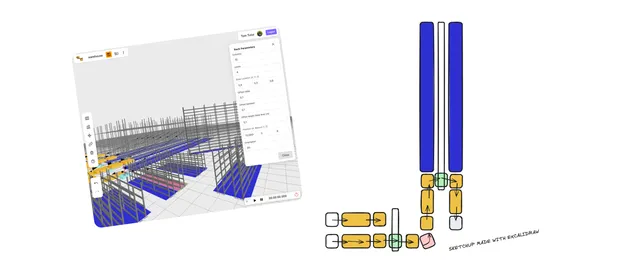
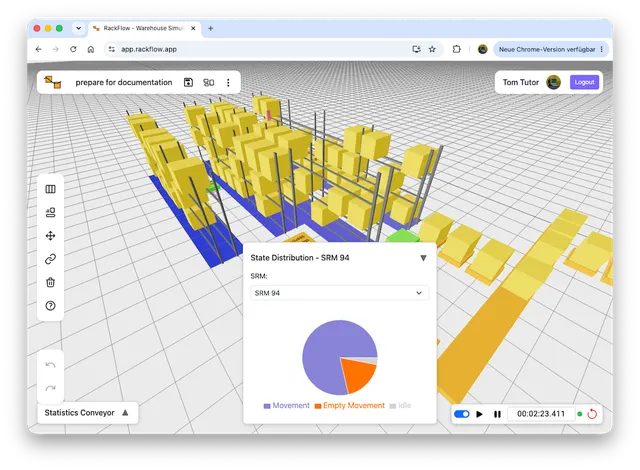
RackFlow is a browser-based simulation platform for warehouse and material flow planning. The core idea is to make intralogistics simulation more accessible, more collaborative, and easier to use in real projects. In many logistics projects, decisions about layouts, automation levels, and performance commitments are still made before there is real confidence that the system will work in practice. That is a risky way to plan.
I wanted to build something that helps teams test options earlier, compare scenarios more clearly, and make better decisions together.
Writing the business plan forced me to turn that vision into a structured business case. It made me ask not only what we can build, but why anyone should care.
A small step with a big effect
After finishing the business plan, I had enough confidence to apply to Y Combinator. That application did not work out, at least not yet. But I still count it as a win.
Why? Because it changed something important in my mindset. RackFlow stopped feeling like an idea I was polishing in the background. It became something I could confidently put in front of one of the most selective startup programs in the world. That takes conviction.
Rejection is still rejection, of course. But it does not erase progress. If anything, it often shows you how far you have come. And in my case, the process raised my confidence more than it lowered it.
Why Dortmund matters
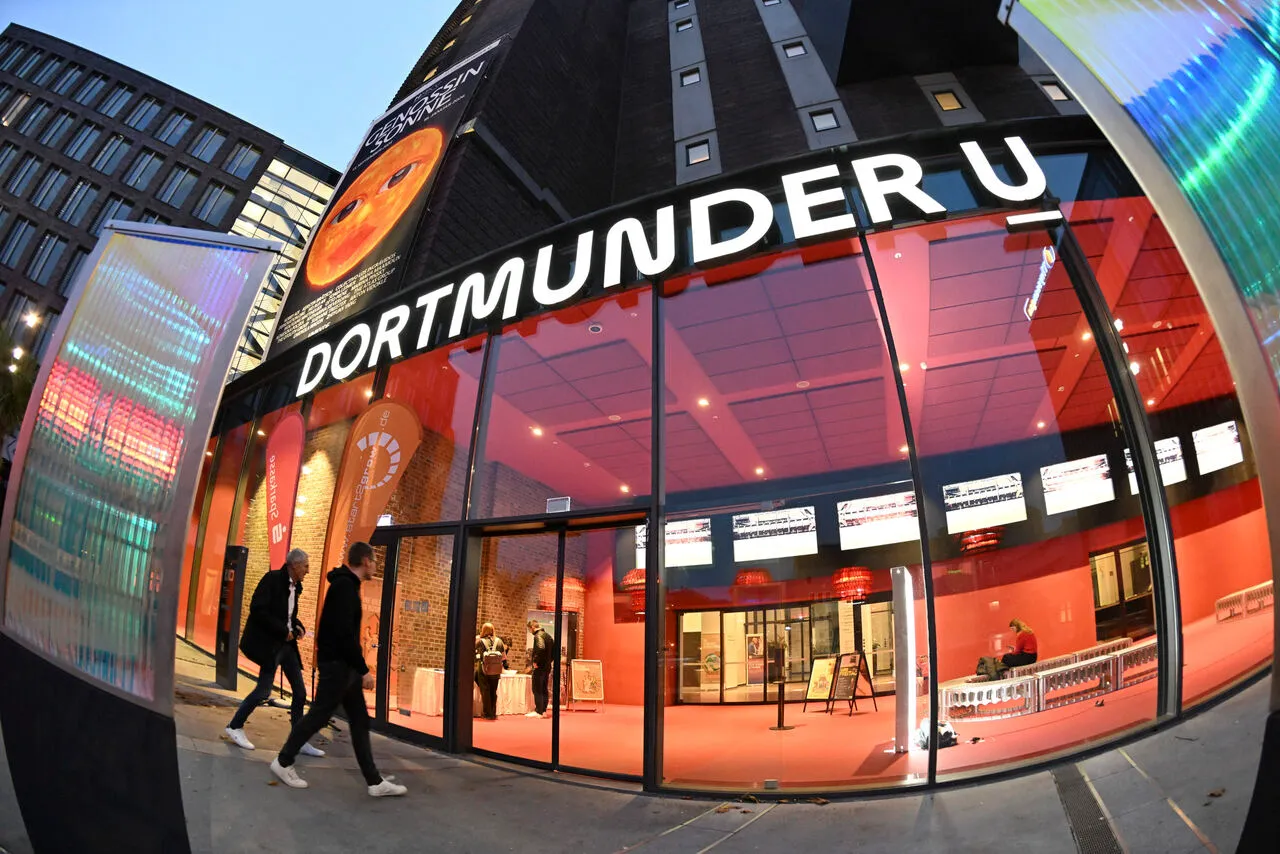
Photo: Wirtschaftsförderung Dortmund / Dipl. Fotodesigner Andreas Buck
Another reason this experience felt meaningful is the local ecosystem around it. Dortmund has a strong startup environment, and start2grow is a great example of that. The competition is not just about pitching. It creates a space where founders, coaches, institutions, and investors can connect around real ideas. Here the startup scene is active, practical, and human.
Locations like the Sparkassen Akademie at Phoenix See and Dortmund U fit that atmosphere well. They are not just venues. They represent a city that is increasingly open to entrepreneurship, exchange, and innovation. That matters, because startups do not grow in a vacuum. They grow where people are willing to support them, challenge them, and take them seriously.
For me, that local energy made the whole experience more memorable.
What I take with me
If I had to reduce start2grow to a few lessons, it would be these:
-
Honest feedback is more valuable than polite encouragement.
-
A business plan is most useful when it exposes weaknesses early.
-
Talking to other founders helps you see your own project more clearly.
-
Confidence grows when you put your work into the world, even if the result is not immediate success.
-
Local startup communities matter a lot.
Overall, start2grow was exactly the right event for taking a critical look at my own project and planning the next steps with more focus.
It did not magically make RackFlow ready. But it made the vision sharper, the direction clearer, and my commitment stronger.
And sometimes that is the most important outcome of all.
Final note
I am grateful for the feedback, the conversations, the organization, and the energy of the people involved. It was a great experience, and I am looking forward to the next steps.
Support your local startup scene.